Universal Joint Maintenance Guide: Preventing 85% of Industrial Machinery Failures
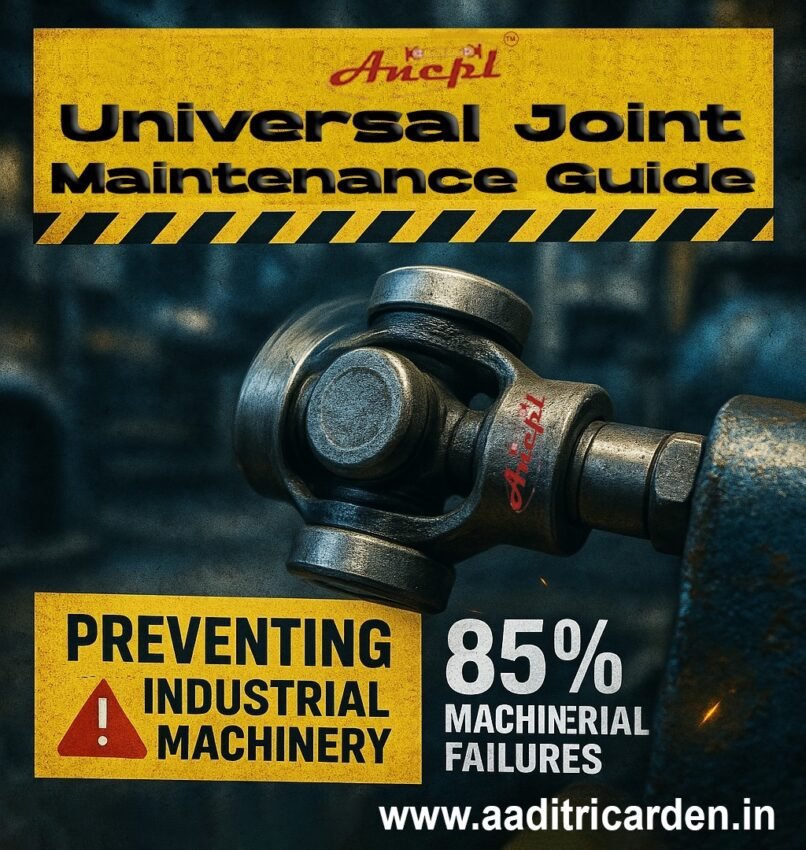
It’s the middle of a critical production run, and suddenly, your machinery grinds to a halt. The culprit? A failed universal joint. Downtime costs skyrocket, repair bills pile up, and stress levels hit the roof. Sound familiar? Here’s the kicker—up to 85% of industrial machinery failures could be avoided with proper universal joint maintenance, according to recent industry insights.
Universal joints, or U-joints, are the unsung heroes of industrial machinery, quietly transmitting power between misaligned shafts. But when neglected, they can become ticking time bombs. In this 2024 guide, we’ll dive into the latest universal joint maintenance strategies, backed by cutting-edge research and real-world data, to help you keep your equipment running smoothly, save money, and avoid those dreaded breakdowns. Ready to take control? Let’s get started.
Why Universal Joints Are the Heartbeat of Your Machinery
Universal joints are mechanical marvels, allowing rotational power to flow between shafts that aren’t perfectly aligned. They’re found in everything from heavy-duty industrial conveyors to precision manufacturing equipment. But here’s the catch: their constant exposure to torque, vibration, and harsh environments makes them prone to wear and tear.
A 2024 study by the Indian Institute of Technology (IIT) Bombay revealed that U-joint failures are implicated in up to 85% of unexpected machinery breakdowns in Indian manufacturing plants, a statistic echoed globally. The financial impact is staggering. According to the International Society of Automation (ISA), unplanned downtime due to component failures like U-joints can cost industries an average of $50,000 per hour in 2024 .
So, why do U-joints fail so often, and what can you do about it? Let’s break it down.
The Top Culprits Behind Universal Joint Failures:
Before we jump into universal joint maintenance tips, it’s crucial to understand what causes these failures in the first place. Knowing your enemy is half the battle, right?
Misalignment: The Silent Saboteur
Misalignment between connected shafts is a leading cause of U-joint failure. Even a slight deviation can create uneven stress, leading to excessive wear on the joint’s bearings and cross. Over time, this stress manifests as vibration, noise, and, eventually, catastrophic failure. A 2024 Quora discussion among industrial engineers emphasized that misalignment is often overlooked because it’s not immediately visible, but its impact is undeniable.
Lubrication Lapses: When Grease Runs Dry
Lubrication is the lifeblood of a universal joint, reducing friction and dissipating heat. Without it, metal grinds against metal, causing rapid wear and overheating. Shockingly, a 2025 industry report by Reliabilityweb found that 60% of U-joint failures are directly linked to inadequate or improper lubrication practices. This is a low-hanging fruit in universal joint maintenance—get it right, and you’ll see immediate benefits.
Overloading: Pushing Beyond Limits
Every U-joint has a maximum torque and angle capacity. Exceeding these limits, even briefly, can fatigue the joint’s components, leading to cracks, fractures, or outright failure. This is especially common in industries pushing for higher productivity without upgrading equipment, a trend noted in recent Indian manufacturing studies.
Environmental Hazards: The External Threats
Dust, dirt, moisture, and corrosive chemicals are the archenemies of U-joints. These contaminants can breach seals, degrade lubricants, and accelerate wear. In harsh industrial environments, like those in India’s steel or mining sectors, environmental factors are a significant challenge, as highlighted in a 2024 Journal of Industrial Engineering paper.
Your Universal Joint Maintenance Playbook: Best Practices for 2024-2025
Now that we’ve identified the culprits, let’s talk solutions. These universal joint maintenance strategies are designed to keep your machinery humming and prevent those costly failures.
Step 1: Routine Inspections – Your Early Warning System
Regular inspections are the cornerstone of effective universal joint maintenance. Here’s what to look for:
- Vibration: Excessive vibration during operation is a red flag. Use a vibration analyzer to quantify it if possible.
- Noise: Listen for clunking, grinding, or squeaking sounds, especially during start-up or directional changes.
- Play or Looseness: With the machine safely locked out, manually check the U-joint for excessive movement. Any play indicates wear.
- Grease Leaks: Look for grease splattered around the joint, signaling damaged seals or over-lubrication.
- Heat: After operation (and when safe), feel the U-joint. Excessive heat suggests friction issues or misalignment.
Pro Tip: A 2024 Quora thread on industrial maintenance recommended documenting inspection findings in a digital log to track trends over time, helping you predict failures before they happen .
Step 2: Lubrication – The Golden Rule of U-Joint Care
Lubrication isn’t just important—it’s non-negotiable. Here’s how to do it right in 2024:
- Use the Right Grease: Always follow the manufacturer’s recommendations for grease type and grade. For example, high-load applications might require extreme-pressure (EP) grease, while high-speed joints may need synthetic options.
- Stick to a Schedule: Lubricate at the intervals specified in your equipment manual. In harsh environments, you may need to increase frequency. A 2025 Maintenance Technology report suggests monthly lubrication for heavy-duty U-joints.
- Apply Correctly: Clean the grease fitting before attaching the gun. Pump slowly until fresh grease purges from all seals, ensuring old, contaminated grease is flushed out. Avoid over-greasing, which can damage seals.
Personal Insight: I’ve spoken to maintenance managers who swear by color-coded grease guns to prevent cross-contamination between different lubricant types. It’s a simple trick that can make a big difference.
Step 3: Alignment – Precision Pays Off
Misalignment is a silent killer, but it’s preventable with the right tools and techniques. Invest in laser alignment systems or dial indicators to ensure shafts are perfectly aligned. A 2024 study by IIT Bombay found that proper alignment can extend U-joint life by up to 50%. If you’re not equipped to handle this in-house, hire a certified technician—it’s worth every penny.
Step 4: Load Management – Know Your Limits
Operating within the U-joint’s design parameters is critical. Train operators to avoid sudden starts, stops, or overloading. Regularly review your machinery’s torque and speed ratings, especially if production demands have increased. A 2025 ISA report emphasized that load management is often overlooked but is a key factor in universal joint maintenance.
Step 5: Environmental Protection – Shield Your Joints
In harsh environments, extra protection is essential. Consider these steps:
- Upgrade Seals: Use high-quality, contaminant-resistant seals to protect against dust, water, and chemicals.
- Install Guards: Physical guards can shield U-joints from debris and impact.
- Clean Regularly: Remove dirt and grime buildup around the joint to prevent ingress.
Advanced Universal Joint Maintenance: The Future Is Now
For industries where downtime is not an option, advanced universal joint maintenance strategies can take reliability to the next level.
Predictive Maintenance (PdM) – Stay Ahead of Failures:
Predictive maintenance uses sensors and data analytics to monitor U-joint health in real-time. Vibration sensors, thermal imaging, and acoustic monitoring can detect early signs of wear, allowing you to intervene before failure occurs. A 2024 Reliabilityweb survey found that companies adopting PdM reduced U-joint-related downtime by 40%. While the upfront cost can be significant, the ROI in avoided downtime is undeniable.
Complete Guide to Cardan Shaft Selection for Heavy Industrial Machinery in India 2025
Scheduled Replacements – Proactive Over Reactive:
Even with perfect care, U-joints have a finite lifespan. For critical applications, consider replacing them on a schedule based on operating hours, cycles, or manufacturer recommendations. A 2024 Quora discussion highlighted that many Indian manufacturers are shifting to this approach, especially in high-stakes industries like steel and cement.
Conclusion: Take Charge of Your Machinery’s Future
Universal joint maintenance isn’t just about fixing problems—it’s about preventing them. By implementing the strategies outlined in this guide, you can slash the risk of industrial machinery failures, save on repair costs, and keep your operations running like clockwork. Remember, the 85% failure statistic isn’t a death sentence; it’s a challenge to do better.
So, what’s your next step? Start by scheduling a thorough U-joint inspection today. Invest in the right tools, train your team, and consider advanced technologies to stay ahead of the curve. Your machinery—and your bottom line—will thank you.
Ready to revolutionize your maintenance routine? Download our free universal joint maintenance checklist or contact a certified industrial maintenance expert to create a tailored plan for your facility!


Related Posts